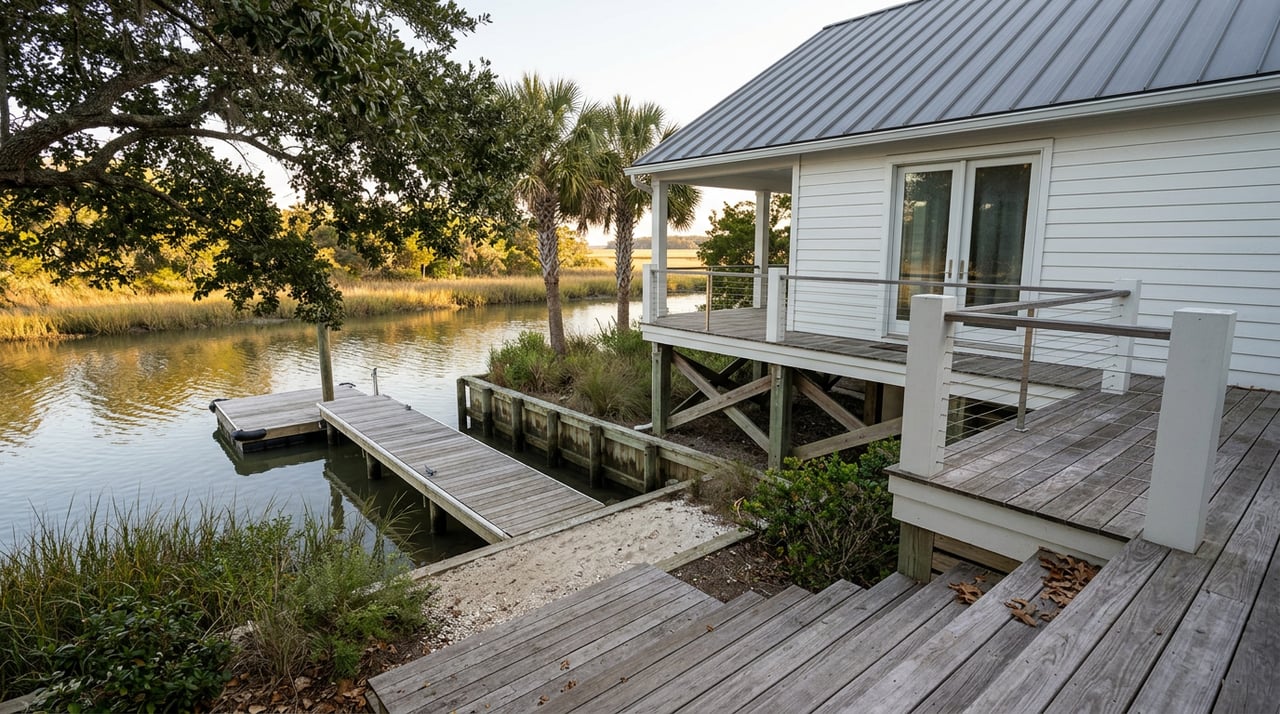
Buying a home on Bald Head Island feels like stepping into a quieter world where streets give way to sandy paths and golf carts. It is also a place with unique rules, logistics, and coastal risks that you will want to understand before you write an offer. In this guide, you will learn how ferries, barge schedules, insurance, inspections, rentals, and shoreline projects shape your purchase and ownership costs. Let’s dive in.
How Bald Head Island works
Access and ferries
Bald Head Island is only accessible by passenger ferry or private boat. Ferries depart from Deep Point Marina in Southport, and the crossing takes about 20 minutes. Schedules vary by season, so plan to check the operator’s latest timetable and book seats in advance during busy periods. You can review island access basics in this helpful overview of the Bald Head Island ferry and island facts.
On‑island transportation
Once you arrive, you travel by electric golf cart, bicycle, or on foot. Gas golf carts are not allowed on Village streets, and Internal Combustion Engine vehicles are tightly regulated. If you plan to keep a golf cart at your home, budget for cart registration and storage. Contractor and service vehicles follow separate rules and hours, which can affect project timelines.
Mainland parking and contractor access
Mainland parking at Deep Point can be limited, and permits may be required for daily or annual use. Contractors often use special parking areas and may have different ferry arrangements. If you have inspectors, appraisers, or contractors coming over, make sure you confirm their ferry type, tickets, and transport plan. The Village’s Contractor Handbook is a useful reference for these logistics.
Plan your move and projects
Barge and cargo rules
Heavy cargo, vehicles, and large materials travel by barge, which typically operates Monday through Friday and requires reservations well in advance. Weather can pause operations. The contractor and passenger ferries also have specific size and safety limits for baggage and cargo, with a separate contractor ferry and tram service. Expect extra time, steps, and fees when shipping furniture, appliances, or renovation materials. See the Contractor Handbook for current barge and contractor ferry guidance.
Timeline realities and cost impacts
Because every service call, shipment, and crew visit requires a boat, even simple projects can take longer than on the mainland. These logistics shape estimates and schedules for inspections, repairs, and renovations. Build a cushion into your closing and move‑in plans, and line up reservations for barge space early if you are moving large items. A little planning goes a long way on an island.
Insurance and coastal risk
Flood zones, NFIP, and Risk Rating 2.0
Many Bald Head Island parcels are mapped within FEMA floodplains. If you are financing with a federally regulated or backed lender and the home lies in a Special Flood Hazard Area, the lender must require flood insurance under the federal mandatory purchase requirement. Under FEMA’s Risk Rating 2.0, premiums are based on features like distance to water, first‑floor elevation, and construction type. Submitting a current Elevation Certificate can help the insurer price the policy more accurately. During due diligence, request sample quotes from the NFIP and the private market, and consider obtaining an Elevation Certificate if one is not available. FEMA’s updated underwriting guidance explains these steps in detail (NFIP Risk Rating 2.0 overview and forms).
The Village participates in FEMA’s Community Rating System, which can support premium discounts for eligible NFIP policies, though actual rates still depend on your property’s specifics. You can learn more and connect with local contacts on the Village flood protection page.
Wind and hail coverage in North Carolina
In coastal North Carolina, many homeowner policies exclude wind and hail. You may need a separate wind policy or to use the state’s coastal residual market if private carriers are not available. Review the NC Department of Insurance guidance on windstorm and hail coverage. Ask three key questions early: Does the existing policy include wind and hail, what is the deductible structure, and will your lender accept the coverage you select if you rely on the coastal pool?
Lender expectations
Barrier‑island homes involve specialized underwriting. Lenders order their own flood determinations and can apply added conditions based on flood or wind risk. Before you write an offer, verify that your lender will finance a home in the mapped zone and accepts the insurers you plan to use. This reduces surprises during underwriting.
Permits, shoreline, and environmental rules
Village permits and elevation documentation
The Village follows the North Carolina State Building Code and issues local building permits. Work in mapped flood areas requires elevation information, and final elevation certification may be needed before a certificate of occupancy. If you plan renovations, build in time for Village permit intake, inspections, and any elevation documentation. The Contractor Handbook outlines submittals and inspection milestones.
CAMA, shoreline projects, and special assessments
Bald Head Island uses shoreline protection strategies that include a terminal groin and periodic beach nourishment under state Coastal Area Management Act (CAMA) permits. The Village runs Coastal Storm Damage Reduction projects and funds some work through Municipal Service Districts. Before you buy, check whether a home is within an MSD and whether any project assessments apply. Review the Village’s current shoreline protection and 2025 CSDR project for context and schedules.
Utilities and island systems
Water and sewer are operated by the Village. Many homes rely on grinder pumps for sewage service, which means you should ask for maintenance records and service contacts. Confirm the status of the home’s utility accounts and whether any final documentation is required for a certificate of occupancy. The Village utility overview is a good primer on water, sewer, and grinder pump service.
The right inspections for a coastal home
A standard home inspection is essential, but coastal properties call for extra expertise. Consider adding the following to your due diligence.
Coastal‑savvy home inspection
Hire a licensed inspector who is experienced with salt‑air environments. They should look closely at moisture intrusion, roof coverings and tie‑downs, corrosion at fasteners and railings, and screen enclosures. FEMA’s Coastal Construction Manual highlights how coastal exposure accelerates wear and why details matter (FEMA Coastal Construction Manual).
Structural and pile evaluation
Many island homes are elevated on pilings. Ask a structural engineer to review pile embedment, bracing, connections, and any signs of scour or settlement. Coastal guidance explains how erosion can reduce pile capacity over time, so a focused structural review is wise if you see exposed piling or uneven decks.
Marine, pest, and moisture checks
If a property includes a dock or pier, have a marine specialist assess condition and permitting status. Add a termite and wood‑decay inspection, and consider a targeted mold or moisture assessment where indicated. These steps help you scope realistic repair budgets.
Survey and easements
Order a current survey if the seller’s is older or if there are questions about first‑floor elevation or property boundaries. Ask your closing attorney to review recorded easements and access rights and to confirm mapped floodplain boundaries.
Rentals, taxes, and HOA rules
Short‑term rentals and occupancy tax
The Village defines short‑term rentals as stays under 90 days and collects a 6 percent occupancy tax on gross rental receipts. Owners register and remit through the Village’s online GovOS portal. Some platforms may collect on your behalf, but you remain responsible for correct filings and compliance. If you are buying a rental, confirm registration status and whether taxes are current by reviewing seller documentation. Read the Village guide to occupancy taxes on short‑term rentals.
Zoning and HOA considerations
Zoning distinguishes certain lodging types, and HOA or POA covenants may include rental rules. Before you finalize an offer, verify that the property’s zoning, any conditional‑use approvals, and HOA rules align with your plans. Ask for the seller’s rental history and house rules so you understand guest logistics with ferries and golf carts.
Closing logistics unique to BHI
Inspectors, appraisers, and walk‑throughs must work around ferry and contractor schedules. Build extra lead time into every site visit, and reserve barge slots early if you plan to move bulky items. Confirm ferry hours for closing day and have a backup plan if the weather interrupts service. The Contractor Handbook is the best reference for operating windows and reservations.
Buyer checklist: what to gather early
- Current Elevation Certificate, or time and budget to obtain one. Refer to FEMA’s Risk Rating 2.0 guidance for how elevation affects pricing.
- FEMA FIRM panel, plus any LOMA or LOMR on file.
- Flood quotes from the NFIP and the private market, and wind and hail quotes. Learn how coastal wind coverage works from the NC Department of Insurance.
- Seller’s insurance claim history and renewal documentation.
- Grinder pump and sewer maintenance records, plus any Village utility account details. See the Village utilities page.
- Structural or pile inspection report and any engineer recommendations, informed by the FEMA Coastal Construction Manual.
- HOA or club covenants, rental rules, and rental history.
- Copies of building permits, certificates of occupancy, and any as‑built elevation documentation.
- Confirmation of any shoreline‑related assessments and the Village’s current shoreline projects.
Owning on Bald Head Island: budgeting wisely
Operating and maintenance costs tend to run higher than on the mainland. Salt air accelerates corrosion on metal connectors, railings, and HVAC equipment. Exterior paint, screens, and exposed materials also weather faster. Insurance can be a significant budget line, especially where flood and separate wind policies apply. Align your annual budget with local contractor estimates rather than inland averages.
Buying on Bald Head Island can be deeply rewarding when you plan for the island’s rhythms. If you want a thoughtful partner to help you map out next steps and coordinate the right experts, reach out to David Wray for a private consultation.
FAQs
How do ferries and barges affect a Bald Head Island home purchase?
- Every site visit, inspection, and move must fit ferry or barge schedules, so book seats and barge space early and allow extra time for weather delays.
What flood insurance steps should a Bald Head Island buyer take?
- Confirm the FEMA flood zone, gather or order an Elevation Certificate, and request NFIP and private quotes early to satisfy lender requirements and budget accurately.
Do I need separate wind and hail insurance in coastal North Carolina?
- Many coastal policies exclude wind and hail, so you may need a separate policy or the coastal pool; confirm coverage, deductibles, and lender acceptance up front.
What is the Bald Head Island occupancy tax for short‑term rentals?
- The Village defines short‑term rentals as stays under 90 days and collects a 6 percent occupancy tax on gross rental receipts, with registration and filing through GovOS.
How do shoreline projects and MSDs impact owners on Bald Head Island?
- Coastal protection work like beach nourishment can be funded through Municipal Service Districts, so verify whether the property is within an MSD and if assessments apply.
Which inspections are must‑haves for Bald Head Island homes?
- In addition to a standard home inspection, line up a coastal‑experienced inspector, a structural engineer for pilings, utility checks for grinder pumps, and pest and moisture assessments.
