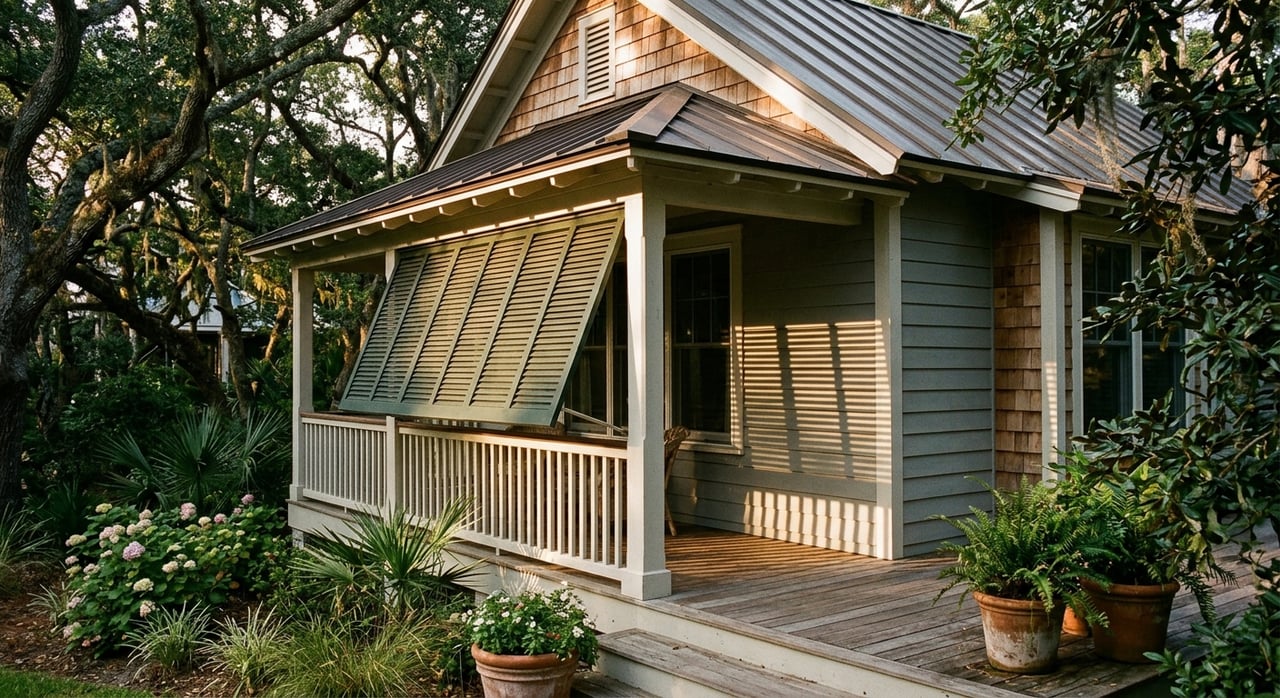
If you are picturing a carefree beach getaway where you can jump in the car and arrive whenever you want, Bald Head Island may surprise you. Owning a second home here can be deeply rewarding, but it works best when you understand the island’s ferry-based access, golf-cart lifestyle, recurring costs, and storm planning requirements. If you are weighing whether this market fits your goals, this guide will help you think through the practical side of ownership. Let’s dive in.
What Makes Bald Head Island Different
Bald Head Island is not a typical drive-to beach market. The mainland connection is ferry-based, with the terminal at Deep Point Marina in Southport and a ferry ride of about 20 minutes. The ferry operator advises making ferry and tram reservations at least three hours in advance and arriving 40 minutes early.
That setup shapes how many owners use their homes. Instead of quick, spontaneous drop-ins, ownership tends to work better for planned weekends, holiday stays, and longer visits. If you are considering a second home here, it helps to ask yourself whether your lifestyle fits scheduled access.
Ferry Planning Matters
On Bald Head Island, transportation is part of ownership. You are not just thinking about the house itself. You are also planning luggage, parking, ferry timing, tram assignments, and how you will move around once you arrive.
For many buyers, that is not a drawback. It is part of the appeal and helps create a quieter, more intentional rhythm. Still, it is important to see it clearly before you buy, especially if you want a low-effort second home.
Golf Cart Living Is the Norm
The island is built around golf-cart travel. According to the village, you need a valid driver’s license to operate a golf cart, the speed limit is 18 mph, and open alcohol containers are prohibited in carts. The ferry operator also notes that most rental accommodations include one or more golf carts.
This creates a very different ownership experience from mainland coastal markets. Day-to-day life feels slower and more local, but it also means you need to be comfortable with golf-cart transportation as part of normal island living.
Understand the True Carrying Costs
A second home budget on Bald Head Island should go beyond the purchase price. Property taxes, association dues, neighborhood supplemental dues, ferry-related parking, and ongoing property care can all affect your annual cost of ownership.
Brunswick County’s FY 2025-26 tax rates list 0.3420 for the county, 0.6507 for Bald Head Island, and 0.0400 for Smithville Township. Some parcels may also carry Bald Head Island MSD Zone A or Zone B rates. Tax bills are usually mailed in July or August, due September 1, and can be paid without interest or penalties until January 5.
Using the county’s current rates, a home assessed at $2 million would owe about $20,654 in ad valorem tax before any MSD-zone levy or HOA dues. That is a useful baseline, but it is not the whole picture.
HOA and Neighborhood Dues
Bald Head Association states that the island is divided into three master associations: Bald Head Association, Harbour Association, and Middle Island Association. Its 2026 dues schedule lists basic dues of $617 annually for an improved property and $206 for an unimproved lot. It also shows a $150 HOA transfer fee per sale.
Some neighborhoods have supplemental dues that are much higher than the basic assessment. Those dues can support shared assets such as roads, boardwalks, docks, landscaping, irrigation systems, exterior painting, lighting, and retaining walls. Because those costs vary by location, neighborhood selection can meaningfully change your true annual carrying cost.
Parking Costs Add Up
If you expect to use the home often, mainland parking should be part of your budget. General-lot parking is $13 per day. Property owners can also buy annual passes for $1,225 in the general lot or $1,500 in the premium lot.
That may seem minor compared with the cost of the home, but frequent visits can make parking a real line item over time. For many second-home buyers, these small logistics costs are easy to overlook during the search.
Should You Rent the Home Out?
Some buyers want a second home for personal use only. Others hope to offset costs with short-term rentals. On Bald Head Island, that decision has tax, reporting, and financing implications, so it is worth thinking through early.
Village FAQ material defines a short-term rental as occupancy rented for less than 90 days to the same person. It also notes a narrow exception for a property rented for fewer than 15 days in a calendar year if it has not been listed with a rental agency. The North Carolina Department of Revenue says the 90-day exemption applies only when the same person occupies the accommodation for 90 or more continuous days, and the occasional less-than-15-day exclusion does not apply if the property is generally or routinely made available to transients.
Occupancy Tax and Reporting
The village says Bald Head Island’s occupancy tax is 6% of the gross rental fee collected. That includes non-optional charges such as booking fees, cleaning fees, pet charges, and fees for extra vehicles, people, or beds.
The village also says the homeowner remains responsible for making sure occupancy taxes are properly remitted and for filing a monthly report, even when a booking platform collects the tax on the owner’s behalf. If you are underwriting a home partly on rental income, this is a detail you do not want to miss.
North Carolina DOR says accommodation rentals are taxed at the applicable state and county sales-tax rates, and room-occupancy taxes may also apply. Brunswick County’s current combined sales-and-use tax rate is 6.75%, and the county also levies a 1% occupancy tax on lodging rented for less than 15 days. Because village and county rules can both affect rentals, many buyers benefit from confirming the exact remittance structure with their accountant or rental manager before relying on projected net income.
Financing Can Change the Strategy
Financing is another key piece. Fannie Mae says net rental income from a second home cannot be used when qualifying the borrower. If rental income is central to your plan, the property may need to be treated as an investment property rather than a true second home.
That distinction can affect your loan structure and your buying power. If you are still deciding between personal use and income production, it is smart to sort this out before you make an offer.
Storm Prep Is Part of Ownership
Weather planning is a major part of owning on Bald Head Island. The village’s hurricane guidance tells owners to sign up for CodeRED, secure the property, close storm shutters, move loose items indoors, turn off propane when needed, and be ready to evacuate quickly because it takes time to get everyone off the island by ferry.
The village also notes that when electricity is lost, sewer service is affected and can become a public health issue during a long outage. In practical terms, this means storm season is not something to treat casually if you own here part-time.
Flood and Evacuation Planning
The village’s flood-protection guidance says owners should understand their Base Flood Elevation, prepare an evacuation plan, and be ready to leave if the U.S. Coast Guard closes the river to commercial traffic, including the Bald Head Island Ferry. The village also encourages owners to inventory contents and consider elevation or flood-mitigation work where appropriate.
If you live off-island most of the year, you should know exactly who will check on the property, handle pre-storm preparation, and inspect the home after a storm. That kind of planning can be just as important as the home’s layout or views.
Think Through Ongoing Maintenance
Bald Head Island ownership works best when you have a clear plan for routine care. In addition to golf-cart rules, the village enforces rules involving open burning, wildlife, beach access, and emergency response. This is not a market where every owner can simply lock the door and forget about the property for months at a time.
Before you buy, it helps to ask practical questions such as:
- Who will handle storm prep?
- Who will coordinate cleaning and post-storm inspections?
- Who will manage pest control, landscaping, and HVAC service?
- What maintenance does the HOA or neighborhood association cover?
- How often will you need to be physically present?
These questions matter even more in neighborhoods with supplemental dues tied to shared infrastructure and exterior upkeep. A home may look straightforward on paper, but your actual ownership experience can vary based on what the neighborhood maintains and what falls on you.
How to Decide If It Fits You
A second home on Bald Head Island can be a great fit if you value a more intentional coastal lifestyle and you are comfortable planning around ferry schedules, recurring dues, and weather readiness. It tends to reward buyers who are organized, realistic about carrying costs, and prepared for active ownership.
If your goal is easy, spontaneous access with minimal logistics, this market may feel more demanding than you expect. But if you want a second home that offers a distinct island rhythm and you go in with a clear plan, Bald Head Island can be a very compelling choice.
A careful purchase here starts with the right questions, clear cost modeling, and a realistic view of how you will actually use the home. If you are considering a second home and want a discreet, informed conversation about your options, request a private consultation with David Wray.
FAQs
What is daily access like for a second home on Bald Head Island?
- Access is ferry-based through Deep Point Marina in Southport, with about a 20-minute ride, advance ferry and tram reservations, and an early arrival recommendation before departure.
What transportation rules apply on Bald Head Island?
- The village says a valid driver’s license is required to operate a golf cart, the speed limit is 18 mph, and open alcohol containers are prohibited in carts.
What property taxes should buyers expect on Bald Head Island?
- Brunswick County’s FY 2025-26 rates list 0.3420 for the county, 0.6507 for Bald Head Island, and 0.0400 for Smithville Township, with some parcels also subject to Bald Head Island MSD Zone A or Zone B rates.
What HOA dues apply to a Bald Head Island second home?
- Bald Head Association says 2026 basic dues are $617 annually for an improved property and $206 for an unimproved lot, but some neighborhoods also have supplemental dues that can materially increase ownership costs.
What taxes apply if you rent out a Bald Head Island home?
- The village says its occupancy tax is 6% of gross rental fees, and North Carolina DOR says accommodation rentals are also taxed at applicable state and county sales-tax rates, while Brunswick County levies a 1% occupancy tax on lodging rented for less than 15 days.
Can rental income help you qualify for a Bald Head Island second-home loan?
- Fannie Mae says net rental income from a second home cannot be used when qualifying the borrower, so buyers relying on rental income may need to explore investment-property financing instead.
What storm planning should second-home owners have on Bald Head Island?
- The village advises owners to sign up for CodeRED, secure the home, prepare for evacuation, understand flood exposure, and have a clear plan for storm prep and post-storm property checks.
